
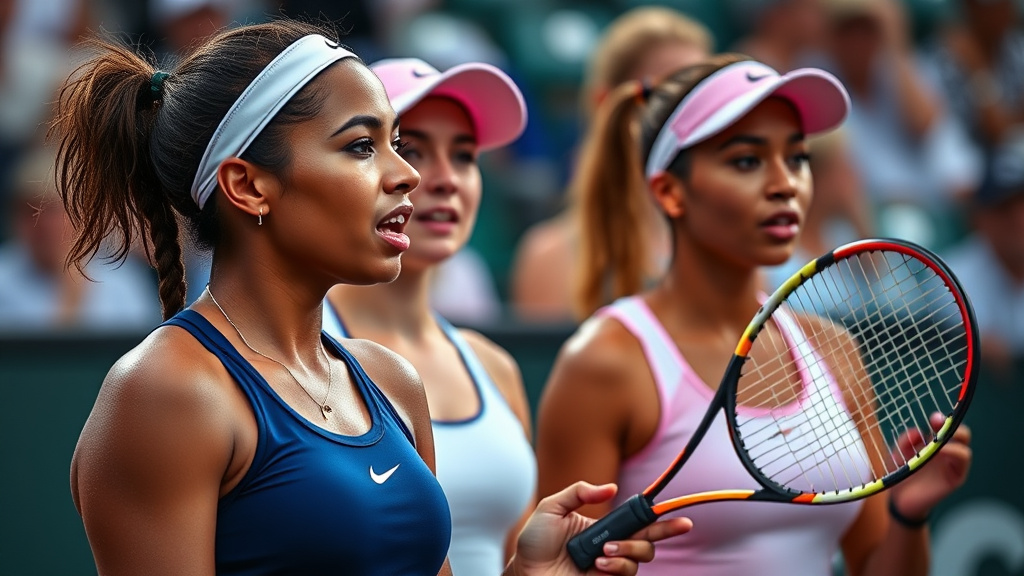
For years, women’s tennis players have performed with the same competitive drive and talent as their male counterparts, yet earned considerably lower prize money at major tournaments. Now, prominent competitors are speaking out, insisting on equal pay for equal performance. This rising momentum challenges the longstanding wage disparity that has long plagued professional tennis, prompting critical questions about equal treatment in sports. As these influential players unite, they’re changing the dialogue around justice, visibility, and the genuine importance of women’s athletic excellence on the world’s biggest stages.
The Battle over Equal Prize Money
The difference in prize money between male and female tennis players has become progressively unsustainable in modern sports. Female winners at Grand Slam tournaments have traditionally been given considerably smaller payouts than their male rivals, despite delivering equally compelling performances and drawing enormous global audiences. This financial inequality sends a concerning signal about how society regards women’s sporting accomplishments, leading elite athletes to call for clear accountability and just reward structures.
Prominent tennis organizations have started recognizing these disparities, with some major tournaments implementing parity in prize policies in the past few years. However, progress remains uneven across multiple events and regulatory organizations. Players maintain that true equality necessitates standardized compensation across all major tournaments, not limited efforts. The initiative has picked up steam through deliberate campaigns, media outreach, and collective player declarations that highlight the absurdity of paying women less for comparable results.
Beyond financial payment, this fight represents a broader struggle for recognition and respect within competitive athletics. Prize money parity embodies equal value, equal opportunity, and equal respect for women athletes’ impact on the sport. As players continue advocating to institutional transformation, they’re sparking dialogue about equal treatment across all sporting disciplines, challenging outdated traditions and demanding that compensation structures mirror contemporary standards of equity and diversity.
Historical Imbalances and Improvement
The gender pay gap in competitive tennis has deep historical roots, rooted in old-fashioned beliefs about viewer appeal and commercial viability. For much of tennis history, top-tier competitions allocated considerably reduced prize money to women’s competitions, despite similar audience numbers and sponsorship value. This disparity grew harder to justify as women’s tennis competitions generated substantial revenue and drew worldwide viewers. Landmark moments, such as the 2007 Wimbledon decision to match prize purses, showed that equal pay was achievable and warranted, spurring broader changes across the sport.
Despite these victories, substantial gaps remain at several prestigious tournaments worldwide. The Australian Open and French Open have achieved full pay equality, while other major events continue offering unequal compensation. Players like Serena Williams and Naomi Osaka have leveraged their platforms to advocate for systemic change, inspiring a new generation of athletes to demand fair treatment. Their persistent activism has shifted cultural conversations, proving that progress requires continuous pressure and unwavering commitment|dedication|resolve to gender equity in professional sports.
Current Challenges and Upcoming Prospects
Despite considerable advancement in the past decade, women’s tennis players still encounter substantial obstacles in their quest for equal prize money. Major tournaments still distribute disparate funding for male and female competitions, with some events explaining disparities through outdated audience and ratings arguments. However, these claims no longer hold merit as women’s matches consistently draw impressive audiences and generate significant television revenue, undermining the legitimacy of traditional compensation structures.
- Persistent wage disparities between genders at Grand Slam tournaments continue to be substantial
- Media coverage gaps continue to undervalue women’s athletic performances
- Sponsorship partnerships stay heavily weighted in favor of male players
- Tournament organizers resist introducing equal prize money
- Global advocacy campaigns are accelerating progress in professional tennis
Looking ahead, the outlook of women’s tennis appears increasingly promising as momentum builds toward genuine equality. Younger generations of players are more vocal and unified in their demands, while growing public support strengthens their negotiating position. Several tournaments have already pledged equal prize money, setting precedents that pressure remaining events to follow suit, suggesting that full wage parity in professional tennis may finally become reality within the coming years.
