
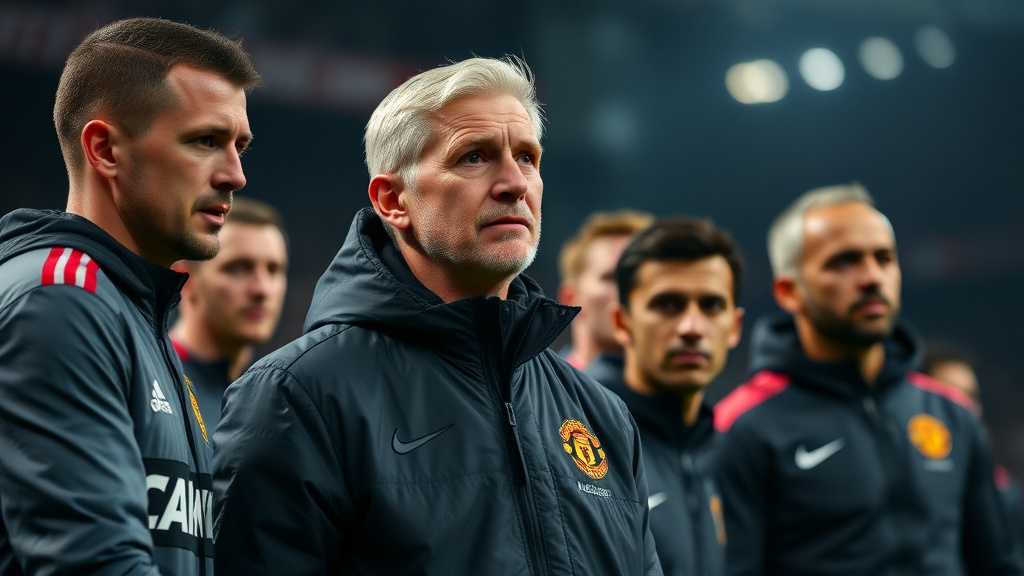
Manchester United reaches an inflection point as the club embarks on a significant overhaul marked by significant managerial shifts and necessary roster renovation. With fresh leadership now steering the ship, the Red Devils confront key choices regarding player recruitment, departures, and tactical direction. This article explores the strategic restructuring in progress at Old Trafford, exploring how new management intends to reshape the squad, address performance inconsistencies, and restore the club to its former glory in an highly competitive Premier League environment.
Comprehensive Team Restructuring and Transfer Approach
Manchester United’s fresh management regime has initiated a comprehensive assessment of the current squad, identifying critical positions needing strengthening and potential departures. The club understands that sustained success demands a balanced approach blending seasoned players with rising prospects. Transfer strategy now focuses on acquiring players who align with the coaching staff’s strategic vision while preserving fiscal responsibility. Priority targets include defensive reinforcements, creative midfielders, and versatile attacking options able to perform at the highest level across various tournaments throughout the season.
The overhaul strategy extends beyond mere talent signings, including planned exits of underperforming and excess assets. Club officials are evaluating contracts, gauging player valuation, and identifying potential loan opportunities for squad periphery members pursuing consistent game time away. This structured method aims to streamline squad composition, lower salary obligations, and establish routes for academy graduates. By integrating youth advancement with planned acquisitions, Manchester United works to build sustainable competitive advantage while maintaining financial responsibility and long-term organizational stability.
Budget Structure and Resource Distribution
Transfer budget considerations remain paramount as Manchester United navigates the multifaceted environment of contemporary sports economics. The club must reconcile expansive signing targets with careful fiscal oversight, ensuring investments generate tangible competitive results. Strategic partnerships with commercial partners and improved commercial revenues provide supplementary financial resources. Management prioritizes cost-effective player purchases, targeting overlooked talent with substantial room for improvement. This structured strategy preserves the club’s fiscal stability while facilitating roster strengthening required to challenging rivals at home and in European competitions.
Investment choices progressively reflect data-driven analysis, utilizing sophisticated data tools and scouting networks to pinpoint ideal candidates. The club’s recruitment department uses advanced evaluation systems assessing athletic output, past injuries, age profile, and organizational alignment within the organization. Financial distribution prioritizes positions of greatest need while preserving squad depth across all departments. This strategic approach guarantees Manchester United maximizes financial resources, minimizes transfer risk, and builds a strong roster equipped to sustaining success over multiple seasons while maintaining long-term financial health.
Leadership Strategy and Tactical Direction
The fresh managerial leadership introduces a updated vision to Manchester United’s operational strategy, highlighting flexible tactics and contemporary playing standards. This leadership transition represents an platform to introduce a cohesive playing philosophy that prioritizes high-intensity pressing, ball control, and fluid attacking movements. The manager’s strategic plan fundamentally reshapes recruitment focus, directing investment toward players who fit specific tactical requirements rather than relying on individual star power alone.
Defensive Reinforcements and Backline Stability
Manchester United’s defensive weaknesses have become increasingly apparent, necessitating immediate reinforcement at centre-back and fullback roles. The incoming leadership recognizes that a solid defensive foundation is vital for continued achievement, prompting targeted recruitment of defenders with both physical prowess and technical abilities. Primary targets will tackle squad age issues while introducing players capable of executing the manager’s pressing and possession-focused defensive system efficiently.
Backline solidity extends beyond bringing in new players; it requires enhancing current defensive capabilities through strategic instruction and positional refinement. The coaching staff will implement structured defensive exercises, emphasizing communication, positional awareness, and set-play structure. This thorough strategy to defensive improvement intends to turn problem areas into competitive advantages, decreasing goals conceded and establishing belief throughout the squad.
Offensive Capability and Midfield Dynamics
Offensive firepower is fundamental to Manchester United’s championship goals, with the manager focusing on creative midfielders and imaginative operators equipped to creating frequent scoring chances. The strategic setup stresses quick transitions, wide play exploitation, and synchronized attacking patterns that leverage the squad’s goal-scoring potential. Targeted signings will focus on talent featuring ball-playing ability and game awareness align with the manager’s offensive approach.
Central play patterns represent the crucial engine powering Manchester United’s offensive movements and defensive solidity simultaneously. The manager requires flexible midfield players capable of executing both defensive duties and attacking input within a flexible tactical system. Enhanced midfield cohesion through improved communication, positional discipline, and tactical awareness will enable more fluid attacking moves while maintaining defensive shape during opposition possession phases.
Financial Implications and Long-term Club Stability
Budget Allocation and Reallocation Approach
Manchester United’s restructuring initiative demands considerable monetary resources, requiring careful budget allocation across talent recruitment and infrastructure development. The club must reconcile short-term performance requirements with ongoing viability, confirming expenditures align with revenue generation and sponsorship commitments. Current executives must prioritize calculated player purchases that address tactical gaps while maintaining fiscal responsibility. This equilibrium-focused method protects the club’s monetary stability while allocating sufficient funds for roster overhaul and competitive enhancement in the high-stakes English football setting.
Income Creation and Market Influence
The club’s commercial performance significantly impacts restructuring capabilities, with sponsorship agreements and retail revenue supporting transfer activities. Improved player recruitment can boost on-pitch performance, boosting supporter involvement and commercial partnerships. Conversely, continued underperformance risks reducing revenue streams and stakeholder trust. Manchester United’s global brand remains important, yet consistent competitive performance is essential for maximizing commercial opportunities. Management must show strategic vision to stakeholders, assuring them that present spending will generate competitive returns and fiscal security.
Long-range Environmental Planning
Comprehensive squad restructuring extends beyond immediate transfers, demanding extensive strategic planning that addresses academy development, player contract optimization, and wage structure rationalization. Manchester United must implement lasting systems mitigating future fiscal disparities while maintaining competitive ambitions. Commitment to youth development minimizes future transfer costs while establishing cultural continuity. Careful agreement negotiations and player depth optimization ensure financial prudence without sacrificing competitive standards, setting the club for ongoing performance and budgetary security throughout the decade.
