
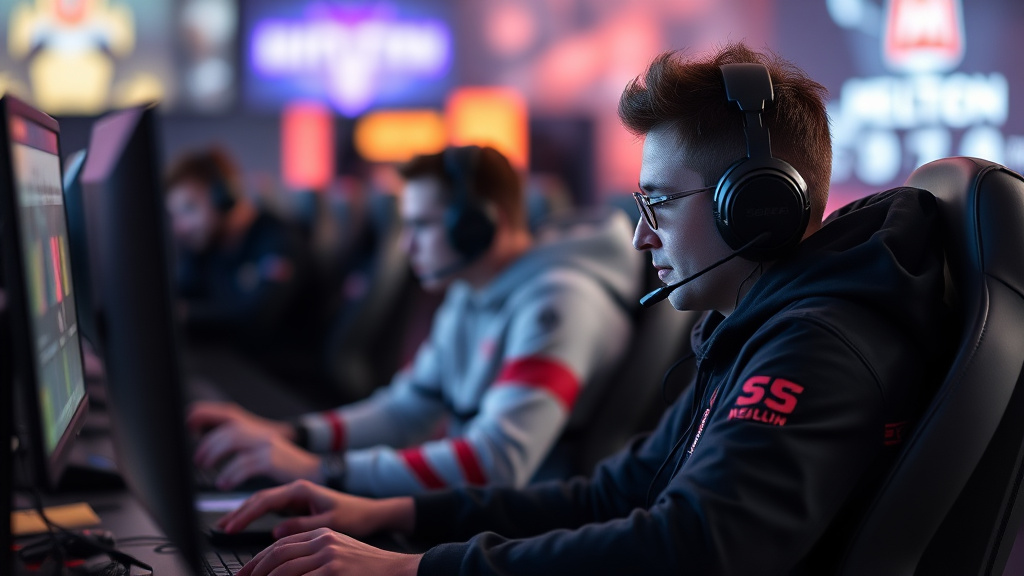
As esports grows into a multibillion-dollar industry, professional teams are acknowledging a fundamental reality: top-tier performance demands psychological resilience in addition to mechanical skill. Top franchises now spend millions in extensive mental wellness initiatives, hiring sports psychologists, therapists, and wellness coaches to assist their players. This article explores how leading gaming organizations are prioritizing mental wellbeing, the specific support systems they’ve implemented, and why this commitment has become essential for competitive success and player longevity in gaming’s most competitive landscape.
The Growth of Mental Wellness Awareness in Competitive Gaming
The esports industry has experienced a significant transformation in the past few years, shifting from treating mental health as a peripheral concern to recognizing it as fundamental to competitive success. Professional players now deal with unparalleled demands—intense training regimens, high-level competition, and relentless public examination. This high-pressure atmosphere has sparked increased awareness among team management that psychological wellbeing significantly affects competitive results and athlete retention. Major organizations have come to understand that psychological strength is just as critical as in-game mechanics in determining championship outcomes.
Early recognition of mental health challenges in esports arose from alarming trends within the community. Players indicated dealing with burnout, anxiety, depression, and stress-related problems at concerning levels. The competitive intensity of professional gaming, paired with unpredictable schedules and social withdrawal, formed an ideal environment for emotional distress. As well-known competitors openly shared their mental health difficulties, the stigma surrounding seeking help began to diminish. Teams understood that ignoring these issues not only harmed individual players but also undermined team unity and organizational success.
Today’s leading esports organizations consider mental health funding as a strategic edge rather than an cost. Teams operating at elite levels now hire specialized mental health staff, demonstrating institutional commitment to player welfare. This transition shows significant changes in how professional gaming is perceived—no longer as a leisure activity but as a credible athletic competition needing integrated support frameworks. The commitment to mental health resources has emerged as a key feature of premier esports teams aiming for continued achievement.
The mainstreaming of mental health dialogues within esports has produced widespread positive impacts throughout the industry. Younger players joining professional teams now expect mental health support as standard offering, not a luxury. Teams that adopt comprehensive wellness programs report higher player satisfaction, lower turnover rates, and improved team dynamics. This cultural transformation demonstrates that emphasizing mental health isn’t just ethical—it’s strategically sound business that enhances organizational performance.
Looking forward, mental health awareness in esports continues to evolve as the industry matures. Industry leaders acknowledge that sustainable competitive success requires comprehensive athlete growth encompassing physical, mental, and emotional wellbeing. The investment in mental health programs represents a defining moment where esports positions itself alongside traditional sports in recognizing that elite-level competition requires comprehensive support systems tackling every aspect of athlete development and welfare.
Full Support Systems and Resources
Combined Mental Health Teams
Esports organizations are establishing specialized wellness teams comprising qualified mental health professionals, sports psychiatrists, and wellness coordinators. These professionals work collaboratively to manage player anxiety, pressure handling, and performance psychology. Teams like T1 and Fnatic have established internal wellness departments that offer one-on-one counseling, team-based training sessions, and emergency support protocols. This holistic system ensures players have immediate access to professional support customized for the distinct challenges of professional esports, including competition stress, fatigue management, and handling media attention.
Beyond individual therapy, organizations implement peer support networks and mentorship programs connecting experienced players with newcomers. These formal partnerships foster psychological resilience and create safe spaces for exploring mental challenges without shame. Many teams also hire sleep specialists and nutritionists who understand the psychological dimensions of athlete wellness. Periodic wellness checks help detect emerging issues early, while anonymous resources ensures players feel comfortable seeking help without concern for their career prospects.
Health Initiatives and Preventive Health Services
Leading esports franchises have created extensive mental health programs going further than reactive therapy to proactive psychological support. These programs feature meditation instruction, meditation sessions, and CBT-focused training modules designed specifically for gamers. Teams conduct periodic mental health check-ins, organize team-building activities that promote bonding, and establish designated rest time to prevent burnout. Organizations recognize that proactive wellness investments minimize emergency interventions and maintain consistent player performance throughout demanding competitive schedules.
Facilities now feature relaxation spaces, fitness centers, and meditation rooms where players can unwind between practice sessions. Many teams deliver reduced-cost access to mental health apps, online therapy platforms, and wellness retreats. Organizations also provide educational resources about recognizing mental health warning signs and promote open conversations about psychological wellbeing. This comprehensive strategy demonstrates that esports franchises acknowledge long-term success requires prioritizing player mental health as a core component of organizational strategy.
Effects and Prospects Ahead
The commitment to mental health services is already showing concrete benefits across professional esports. Teams implementing comprehensive wellness initiatives report improved player performance, reduced burnout rates, and stronger team unity. Players with access to mental health resources show better focus during critical matches and speedier rebound from losses. These programs are reshaping organizational culture, establishing mental health dialogue as normal, and cementing esports as an sector truly invested about athlete wellbeing alongside competitive excellence.
- Mental health support correlates with improved performance outcomes
- Decreased player fatigue and career-ending stress-related attrition
- Improved team chemistry through better interpersonal communication
- Promoted mental wellness conversations within competitive gaming circles
- Drawing skilled professionals looking for organizations with extensive support networks
Looking ahead, mental health commitment in esports will probably become industry standard rather than competitive advantage. As player unions gain strength and regulatory bodies establish wellness guidelines, teams without comprehensive mental health programs may encounter recruitment challenges and performance disadvantages. The next generation of esports organizations will prioritize mental fitness equally with mechanical training, acknowledging that sustainable success requires comprehensive athlete development and robust support infrastructure.
The esports industry’s progression toward mental health prioritization reflects professional maturity. As the sector keeps growing globally, mental wellness frameworks developed by pioneering teams will serve as models for global organizations. This shift ultimately serves athletes, organizations, and the broader esports community, establishing a more sustainable and mentally healthy competitive landscape where athletes can succeed psychologically and achieve peak performance.
